
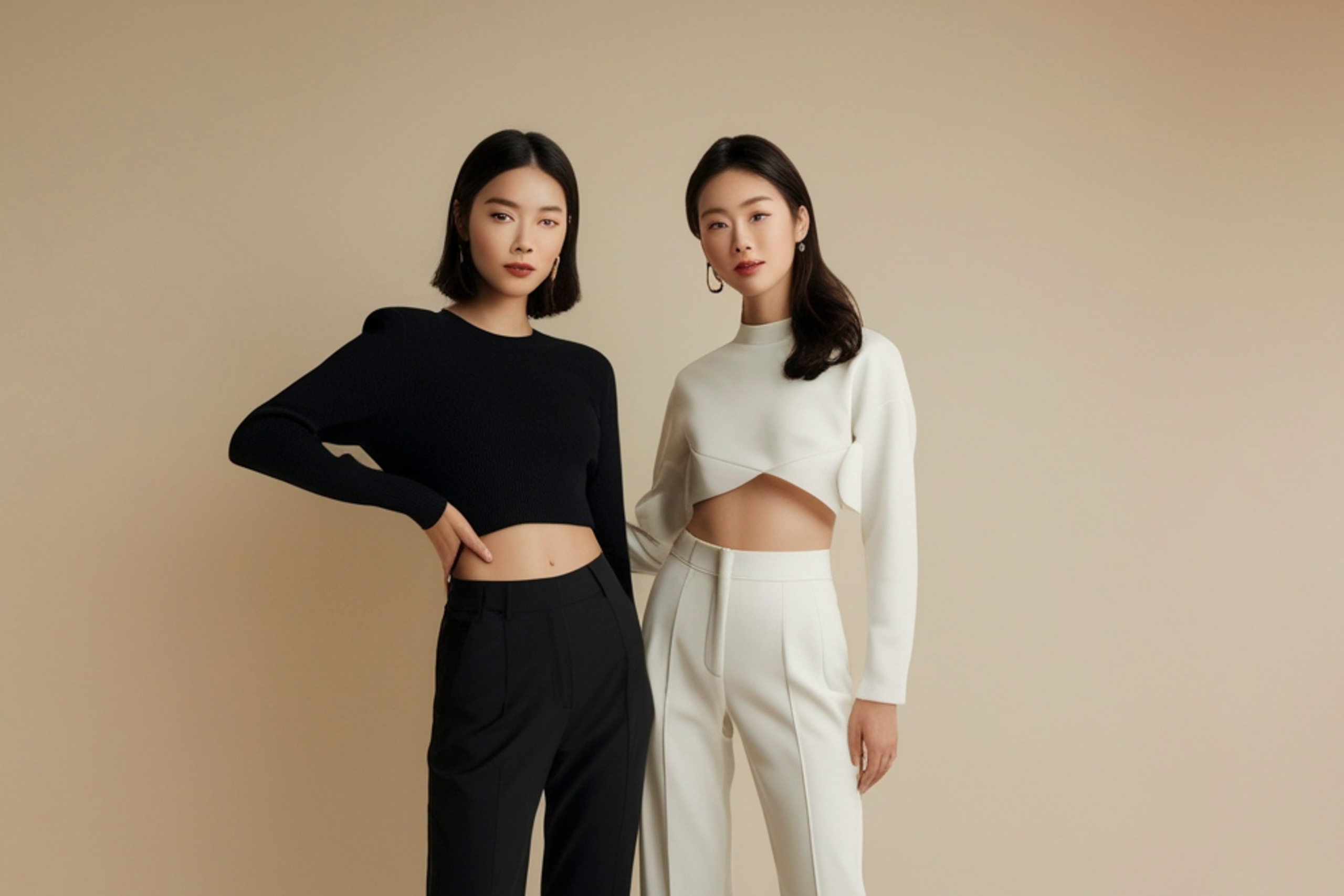
Something remarkable has happened in the global fashion landscape over the past decade that no industry analyst convincingly predicted and that no marketing campaign deliberately engineered — the fashion aesthetic of South Korea, a country whose domestic apparel industry was largely unknown outside its own borders as recently as the early 2010s, has become one of the most copied, the most aspired to, and the most commercially influential style identities in the entire world. Walk through a shopping district in Manila, Los Angeles, London, or Lagos today and you will find the oversized blazer, the wide-leg trouser, the clean minimalist streetwear, the dewy skin-first beauty approach that pairs with every outfit, and the specific quality of the effortlessly put-together, age-ambiguous, gender-fluid styling that the Korean fashion aesthetic most specifically and most consistently embodies. Korean fashion is everywhere — not as the exotic novelty of a national costume that tourists purchase as a souvenir but as the genuinely influential, genuinely adopted, genuinely loved style direction whose specific qualities of the wearable creativity, the quality at accessible price points, and the specific attitude of the confident, individual, culturally curious person have made it the most compelling alternative to the Western fashion mainstream that the global consumer has encountered in the history of the fashion industry’s modern globalized form. This guide explores why Korean fashion has spread the way it has, what makes it specifically compelling to fashion lovers across cultures and demographics, how it has shaped global retail and global street style, and what the continued evolution of the Korean fashion influence most specifically and most durably promises for the global fashion landscape whose trajectory the Korean Wave has permanently and irreversibly altered.
The Korean Wave and Fashion: How K-Pop and K-Drama Dressed the World
The mechanism through which Korean fashion achieved its global penetration is inseparable from the broader Korean Wave cultural phenomenon — the globally successful export of Korean entertainment in the form of K-pop music, K-drama television series, Korean cinema, and the specific influencer and social media culture whose combination created the most comprehensive and the most emotionally effective fashion marketing operation in the history of the clothing industry without the fashion industry itself being the primary vehicle or the primary intention of the cultural export. Korean pop music’s global explosion — the BTS Army whose international membership numbers in the tens of millions, the Blackpink fandom whose global reach extends to every continent, and the broader K-pop ecosystem whose visual identity is among the most carefully designed and the most consistently trend-forward available in any music genre — created the specific parasocial relationship between the international fan and the Korean celebrity whose specific style choices the fan most directly translates into the specific purchasing decisions that the Korean and Korean-inspired fashion brands whose growth most specifically and most measurably reflects the K-pop fashion influence have most directly benefited from in the years since the Korean Wave’s international breakthrough most completely transformed the global entertainment and cultural landscape.
The K-drama connection to the fashion influence is equally powerful and in many ways even more style-specific than the K-pop relationship — the Korean television drama series whose streaming availability on Netflix, Viki, and the other global platforms has created the international audience whose exposure to the specific wardrobe styling, the specific interior design aesthetic, and the specific visual culture of the Korean drama’s production design has produced the most comprehensive available fashion education in the specific elements of the Korean style sensibility that the international viewer most directly absorbs through the repeated, emotionally invested watching of the narrative content whose fashion context is so organically and so effortlessly integrated into the storytelling that the viewer is absorbing the style information most directly and most lastingly while being primarily focused on the emotional engagement with the characters and the story whose fashion content is the backdrop rather than the explicit subject. The specific styling of the Korean drama’s male and female leads — the clean, tailored outerwear, the quality fabric choices, the specific color palette whose restraint and whose sophistication creates the specific aesthetic that differs from both the casual American streetwear and the high-fashion European luxury in the specific way that makes it simultaneously accessible and aspirational — is the fashion education whose completion through the repeat drama viewing creates the most specific and the most deeply absorbed style influence available in any mass media format.
What Makes Korean Fashion Uniquely Compelling: The Aesthetic Qualities That Cross Every Border
The global appeal of Korean fashion is not merely the reflected glamour of the celebrities who wear it — it is the specific intrinsic qualities of the aesthetic itself whose combination of the accessible creativity, the quality consciousness, the gender-inclusive styling, and the specific attitude toward the body and the self-presentation creates the most compelling available fashion alternative to the dominant Western fashion mainstream for the international consumer whose specific aesthetic needs the Korean fashion sensibility most completely and most specifically addresses. Understanding what makes Korean fashion specifically compelling requires the specific examination of the aesthetic qualities that most consistently distinguish it from other national fashion identities and that most directly produce the specific response of the international fashion consumer who discovers it and whose immediate reaction of this is exactly what I was looking for reflects the specific gap between the available aesthetic options and the Korean fashion’s specific filling of it.
The oversized silhouette whose specific Korean interpretation differs from both the casual American oversize and the deliberately deconstructed Japanese oversize in the specific way that it maintains the structural elegance and the intentionality of the tailored garment while departing from the body-conforming fit that the Western fashion mainstream has historically associated with the polished look creates the specific freedom and the specific comfort that the Korean fashion’s global appeal most directly and most consistently delivers to the international consumer whose specific body relationship and whose specific comfort preference the oversized, relaxed silhouette most specifically addresses without the compromise of the aesthetic quality that the casual oversized alternative most consistently produces. The skin-first, beauty-forward approach that pairs inseparably with the Korean fashion aesthetic — the specific prioritization of the skin’s condition as the foundation of the complete look rather than the heavy makeup whose application over the imperfect skin creates the specific artificiality that the Korean beauty philosophy most specifically rejects — creates the specific integrated approach to the personal style whose holistic quality, encompassing both the clothing and the skin preparation that the Korean fashion and beauty culture most completely embodies, produces the most coherent and the most consistently appealing personal aesthetic available in any national style tradition.
The gender-fluid quality of the Korean fashion aesthetic — the specific blurring of the traditionally masculine and the traditionally feminine clothing elements in the specific ways that create the most innovative and the most personally expressive styling available in any mainstream fashion culture — is the quality that most specifically appeals to the international Generation Z and millennial consumer whose specific relationship with the gender binary in clothing most directly benefits from the Korean fashion’s specific modeling of the confident, non-defensive wearing of the traditionally gendered garment outside its traditional gender context. The Korean male idol whose public appearance in the skirt, the traditionally feminine accessory, and the gender-blurring makeup is received in the Korean mainstream not as the provocative statement that the equivalent Western celebrity appearance would most commonly generate but as the natural expression of the personal style whose confidence and whose intentionality most specifically communicates the specific attitude that the Korean fashion culture most completely celebrates and whose international influence on the broader global fashion conversation about gender and clothing has been as significant and as lasting as any single trend in the history of the most recent decade’s fashion development.
The Streetwear Revolution: How Korean Street Style Changed the Game
The Hongdae and Myeongdong districts of Seoul, the specific street style photography that the Korean fashion blogger and the international fashion media have made available to the global fashion audience, and the specific creative energy of the Korean independent designer whose small-batch, online-first brand model has created the most accessible and the most rapidly responsive fashion production system available in any national fashion market together constitute the streetwear ecosystem whose global influence is as direct and as measurable as the celebrity-driven K-pop fashion influence and whose specific creative contribution to the global streetwear conversation is as genuinely innovative as any available in the global fashion landscape. The Korean street style is not merely the wearing of the Korean designer’s clothing — it is the specific creative practice of the styling whose combination of the garment from the Korean independent brand, the vintage piece, the Japanese streetwear reference, and the Western athletic brand creates the specific eclectic coherence that the Korean street stylist’s specific aesthetic intelligence most completely and most distinctively achieves in the ways that the fashion-forward international consumer most specifically aspires to replicate in their own styling practice.
The Korean independent fashion brand ecosystem — the online-first, small-batch production model whose specific combination of the affordable price point, the trend-responsive design, and the quality construction that exceeds what the equivalent Western fast fashion brand most consistently delivers at the comparable price creates the specific commercial disruption that the international consumer’s discovery of the Korean independent brand through the social media and the fashion blog most directly produces in the consumer’s relationship with the Western fast fashion alternative — has created the most compelling available retail alternative for the fashion-conscious consumer whose specific dissatisfaction with the quality, the originality, and the ethical production practices of the Western fast fashion mainstream most directly motivates the specific switch to the Korean brand whose specific combination of the better quality and the more original design at the comparable or modestly higher price most completely addresses the dissatisfaction that the Western alternative most consistently and most increasingly produces. The brands including Musinsa, Ader Error, We11done, and the dozens of the Korean independent labels whose international following has grown from the domestic Korean consumer base to the global fashion community most specifically reflect the specific quality of the Korean fashion industry’s creative output whose commercial expansion into the international market most directly and most measurably reflects the genuine international demand for the specific aesthetic qualities that the Korean fashion and clothing industry most completely and most consistently delivers.
Why Other Nations Specifically Love Korean Fashion: A Cultural Analysis
The specific national and regional contexts in which the Korean fashion influence has been most completely and most enthusiastically adopted reveal the specific cultural resonances and the specific unmet aesthetic needs that the Korean fashion most directly addresses in each market whose adoption of the Korean style influence most specifically reflects the particular alignment between the Korean aesthetic and the specific cultural values, the specific body politics, and the specific fashion aspirations of the adopting population. The Southeast Asian adoption of the Korean fashion influence — among the most complete and the most commercially significant available in any regional market outside Korea itself — reflects the specific cultural proximity whose shared East Asian aesthetic heritage, whose specific skin care cultural values, and whose specific social dynamics around the age-appropriate dressing and the specific modesty conventions that both the Korean and the Southeast Asian fashion cultures most directly navigate creates the most natural and the most easily adoptable style transfer available between any two national fashion cultures in the contemporary global fashion landscape.
The American adoption of Korean fashion reflects a different and in many ways more unexpected dynamic — the specific appeal of the Korean aesthetic to the American consumer whose relationship with their own national fashion culture is characterized by the specific dissatisfaction with the binary of the athletic casual and the formal business wear whose combined dominance of the American fashion mainstream most specifically and most consistently fails to provide the specific creative middle ground that the Korean fashion’s specific quality of the elevated casual, the polished everyday, and the confident individuality most completely and most accessibly occupies. The American consumer who discovers the Korean fashion aesthetic through the K-drama or the K-pop content and whose subsequent exploration of the Korean fashion retail through the international shipping and the domestic Korean brand pop-up creates the specific adoption pattern that the Korean fashion brands’ international expansion strategies are most specifically designed to serve and whose continued growth most directly reflects the genuine and the sustainable demand for the specific aesthetic qualities that the Korean fashion most completely embodies rather than the fleeting trend that the novelty effect most commonly produces in the early stages of any cultural export’s international reception. In the fashion and clothing landscape of the contemporary global consumer market, the Korean fashion’s specific combination of the accessibility, the creativity, the quality consciousness, and the specific cultural attitude toward the personal style that it most consistently embodies creates the most compelling and the most enduring available alternative to the Western fashion mainstream that the genuinely fashion-loving international consumer has encountered in the history of the globally connected fashion culture that the internet and the social media most completely and most permanently created.
Conclusion
Korean fashion’s global spread is the story of a genuine aesthetic revolution whose specific mechanism — the cultural transport through the emotional investment of the entertainment content rather than the deliberate marketing of the fashion product — is as novel as it is effective and as durable as it is surprising to the fashion industry whose conventional wisdom about how national fashion identities establish global influence most consistently and most completely failed to anticipate the specific pathway through which the Korean fashion aesthetic achieved the international penetration whose scale and whose sustainability most directly reflect the genuine quality of what it is offering rather than the manufactured hype of the promotional machine that most conventional fashion industry global expansions most heavily rely upon. The oversized silhouette, the skin-first beauty integration, the gender-fluid confidence, the independent brand creativity, and the specific cultural attitude toward the personal style as the expression of the genuine individual rather than the performance of the social status together create the fashion identity whose appeal crosses every national border, every demographic category, and every cultural context with the specific consistency that only the genuinely excellent aesthetic most reliably and most lastingly produces. Korean fashion is not a trend that will pass when the next cultural wave arrives — it is a permanent addition to the global fashion conversation whose specific contributions to the aesthetic vocabulary, the production model, and the cultural attitude of the global fashion and clothing landscape have already proven too deeply and too broadly adopted to be reversed by any subsequent fashion development whose arrival most directly confirms rather than contradicts the specific quality of the Korean fashion influence whose permanence the depth and the breadth of its global adoption most completely and most convincingly demonstrates.